Introduction
There was a period of time when offices were only offices: a place to go from 9 a.m. – 5 p.m. because that’s where the workstations are located. At the same time, work was done in different locations, resulting in the workplace expectation to shift; therefore, rather than asking “where is the office?”, there became a question of whether the office should justify the commute.
The evolution of the coworking space began with convenience and sharing costs. Now, coworking spaces are focused on creating experiences, high-performance products & an inclusive work environment.
More companies in cities such as Sydney now have a different thought process regarding how they should be using their workspaces (hybrid) than before COVID-19. Flexibility in hybrid working arrangements has increased due to demand for work-from-home employees. Employees want a high degree of autonomy when doing their job. Employers want a work environment that will help them be productive, but don’t want to be tied down to long-term leases. Coworking spaces in Sydney are no longer simply providing desks; they are curating environments for people to be able to perform their best work.
What Defines a Modern Coworking Space?
The earliest coworking models focused on open-plan energy and shared resources. The modern coworking space is far more intentional.
Purpose-Driven Design
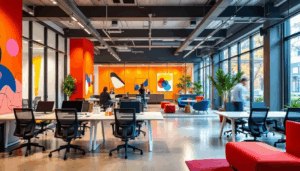
The design of today’s workplace has been created based on how people currently do their jobs, versus how traditional offices were designed. Factors such as lighting, sound and layout/flow have been taken into consideration from the beginning of the design process. There has been a clear blending of formality and informality. Design has a purpose that supports business objectives and outcomes (nor is design purely aesthetic).
Zoning for Different Work Modes
Collaborative brainstorming and deep focus are two very different kinds of colour. Coworking spaces have developed in accordance with allocated zones such as quiet areas for concentrating, informal lounges for informal collaboration, and private rooms dedicated to discussions with others.
Each layer in a coworking space has been designed to provide flexibility for all types of work styles without any impairment.
A Hospitality-Inspired Experience
Well-designed and well-executed offices look amazing. They resemble boutique hotels — they are welcoming and service-oriented. Members are greeted by name by front-of-house team members. The design of the communal kitchens appears well thought out. All meeting rooms are arranged to permit a high-quality presentation.
As a result, the overall experience of working in the office becomes more enjoyable and less of a routine, standard-based transaction.
Flexibility That Supports Real Work
Flexibility is often talked about in broad strokes. In reality, it’s about practical adaptability.
Memberships That Scale
A modern coworking office offers options that grow with you.
- Day passes for project bursts
- Monthly memberships for freelancers
- * Dedicated team spaces for scaling startups
- * Enterprise-ready offices for established businesses
Using flexible short term agreements allows for breathing space; using longer terms creates security without locking in to traditional contracts. An effective coworking space should partner with you to help you grow and not just be a workspace you are physically locked into via contracts.
Spaces That Adapt
The physical setup matters just as much as the terms.
* Hot desks for mobility
* Dedicated desks for consistency
* Private offices for security and team focus
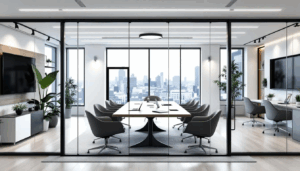
* Fully equipped meeting rooms and project spaces
Having a coworking space that adapts to your needs eliminates friction. This means you will not have to go through the hassles of moving to another location each time there is growth within your team — that space changes with you!
Designing for Focus (Not Just Collaboration)
Collaboration gets the headlines. Focus does the heavy lifting.
Modern coworking offices understand that productivity isn’t about constant interaction. It’s about creating environments where energy and quiet coexist.
Quiet Zones and Deep Work Areas
Acoustic treatments are no longer optional. Thoughtful layouts reduce noise transfer. Phone booths allow for private calls without disruption. Library-style zones encourage uninterrupted concentration.
In a well-designed coworking space, silence is respected.
Private Offices Within Coworking
For teams needing an added layer of privacy, private offices within a coworking office provide the best of both worlds.
- Secure access
- Lockable storage
- Brand presence opportunities
- A contained environment for team concentration
You retain autonomy while staying connected to a larger professional community.
The Role of Community in Today’s Coworking Spaces
The common misconception of community is that it takes place through forced networking events and awkward introductions. However, great coworking spaces build their communities organically, subtly, and with care.
Curated Connections
Cooperative operators help promote introductions that provide a true benefit to all involved. Conversely, events are purposeful in nature, such as industry-based discussions/events, wellness events, etc. This allows for natural forms of networking to happen as opposed to transactional networking.
A Sense of Belonging
There’s something powerful about familiar faces at the coffee machine. About a staff team that remembers your name. About partnerships with local cafés and service providers that make the workspace feel embedded in its neighbourhood.
A great coworking space doesn’t just house businesses. It connects them.
Why Location Still Matters
Even in a hybrid world, location shapes experience.
Proximity to transport reduces commute friction. Nearby cafés and fitness studios enhance daily rhythm. Being positioned within a thriving business hub signals credibility.
The Appeal of Coworking in Sydney
Sydney coworking spaces are situated in good proximity to prospects, clients, and partners. Premium central hubs in the city are noted for their accessibility, as well as their prestige. Likewise, the lifestyle-driven neighbourhoods provide an easy transition from work to walking by the waterfront, and often entertain outside office-hours.
Demand for Coworking Spaces in North Sydney
Coworking spaces North Sydney are seeing rising demand — and for good reason.
North Sydney has evolved into a major business district, particularly for professional services and corporate satellite offices. Transport links — including trains, buses, and the Metro — make commuting seamless.
As a result, coworking spaces north sydney are increasingly attractive to teams seeking proximity to the CBD without its congestion. A co working space north sydney offers balance: corporate presence with a more localised feel.
Who Benefits Most From a Modern Coworking Space?
The beauty of the modern coworking space is its versatility.
- Startups needing credibility without heavy overheads
- SMEs seeking agility in uncertain markets
- Remote-first teams wanting occasional in-person collaboration
- Corporate satellite offices testing new markets
- Consultants and creatives valuing community without losing independence
It’s not about business size. It’s about a business mindset.
What to Look for When Choosing a Coworking Space
Not all coworking offices are created equal. When evaluating a coworking space, consider:
- Flexible membership terms
- A clear balance between quiet focus areas and collaborative zones
- An engaged onsite team
- High-quality, purposeful design
- Strong transport links and location appeal
A coworking office should enhance how you work — not just house it.
The Future of Coworking Is Experience-Led
Coworking continues to evolve, borrowing cues from hospitality, wellness, and technology.
We’re seeing:
- Service-led environments inspired by boutique hotels
- Wellness integration — natural light, biophilic design, movement-friendly layouts
- Tech-enabled access and seamless booking systems
- Greater emphasis on sustainable materials and energy efficiency
The modern coworking space is no longer an alternative to traditional offices. It’s often the upgrade.
A Strategic Choice for Better Work
Using coworking as an option does not mean that something was given up on behalf of the individual or company. It means that intentional decisions were made to have a space that prioritises equal flexibility, focus, and community usage.
When companies are moving through hybrid models or experiencing growth, selecting the appropriate type of space can mean that the space has become more than just a place of work – it is now also a facility to support performance.
If you want to reconsider how your team functions, check out Work Inc’s coworking spaces located in Sydney and North Sydney and get an understanding of what the experience of being in today’s co-working facility should feel like!
Frequently Asked Questions About Coworking Spaces
What is a coworking space?
A coworking space is a flexible workplace with access to shared desks, private offices, meeting rooms and a community to connect with other members within that location who share common interests.
What’s the difference between a coworking space and a traditional office?
The main difference between the coworking space model and a traditional office model is that coworking spaces typically offer flexible terms for rental agreements and use of shared amenities, while traditional offices typically require long-term leases and the cost of constructing your office based on the space you are renting.
Is a coworking office suitable for small teams?
If you have a small team, coworking spaces often provide you with private space to work as a team, but also provide shared space where you can interact with other members as well.
Are there coworking spaces in North Sydney?
North Sydney has several premium coworking spaces near both public transportation and business locations.
How much does coworking in Sydney cost?
There are various options for coworking in Sydney, and the cost will vary based on the membership or pricing plan you choose, your location (North Sydney), and how much space you need (i.e., how many workstations).